By Joseph Bryson December 15, 2025
For many SaaS platforms, payments begin as a supporting feature rather than a core revenue driver. Early focus is often placed on product development, user acquisition, and retention, while payment processing is treated as a utility that simply needs to work. As platforms mature, however, payments present a powerful opportunity for monetization. When handled correctly, monetizing payments can create new revenue streams, improve customer stickiness, and strengthen platform value. The challenge is doing this without introducing operational, regulatory, or financial risk that could distract from the core business.
Monetizing payments does not mean pushing unnecessary fees onto users or taking shortcuts that compromise trust. It involves designing payment experiences that are seamless, compliant, and embedded naturally into the SaaS workflow. Integrated payments allow platforms to offer value added services while maintaining control and visibility. By combining the right payment gateway, a well structured payment API, and thoughtful use of POS systems where relevant, SaaS platforms can generate sustainable payment revenue without increasing exposure to fraud, chargebacks, or compliance issues.
Understanding What Payment Monetization Really Means for SaaS
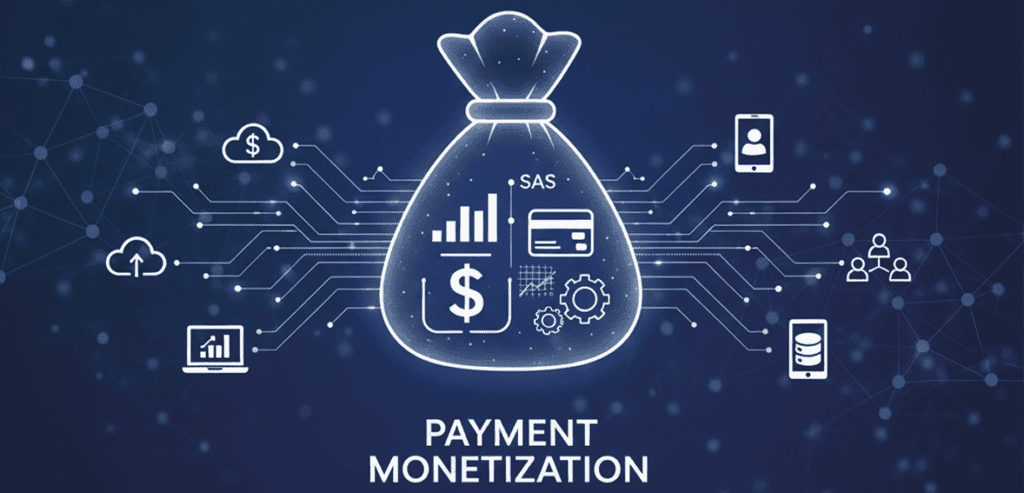
Payment monetization in a SaaS context goes beyond simply charging transaction fees. It involves embedding payment functionality into the platform in a way that enhances the user experience while creating predictable revenue. This can include earning a share of processing fees, offering premium payment features, or bundling payments with core software subscriptions. The key is alignment between payments and the platform’s primary use case.
For SaaS platforms, integrated payments create tighter customer relationships because users rely on the platform not just for software but also for financial operations. This reliance increases switching costs and improves retention. Monetization becomes a byproduct of usage rather than an add on. When payments are deeply embedded, platforms gain insight into transaction behavior, enabling better product decisions. The focus should remain on value creation first, with monetization following naturally.
Why Integrated Payments Are the Foundation of Low Risk Monetization
Integrated payments are central to safe and scalable payment monetization. Instead of redirecting users to third party systems, integrated payments keep the entire transaction experience within the SaaS environment. This creates consistency, improves trust, and reduces friction for users. From a platform perspective, integration enables better data control and streamlined support.
With integrated payments, reconciliation, reporting, and customer management are simplified. This reduces operational risk because there are fewer systems to manage and fewer points of failure. Integrated payments also allow SaaS platforms to standardize compliance and security practices across their user base. Rather than leaving merchants to manage payments independently, the platform can enforce best practices centrally, reducing overall exposure to risk.
Selecting the Right Payment Gateway for SaaS Monetization
The payment gateway is the technical engine behind any payment monetization strategy. For SaaS platforms, choosing the right payment gateway is critical because it affects scalability, compliance, and revenue potential. A strong payment gateway must support high transaction volumes, multiple payment methods, and flexible pricing structures while maintaining reliability.
Beyond basic functionality, the payment gateway should align with the platform’s business model. It must support features such as split payments, recurring billing, and detailed reporting. These capabilities allow SaaS platforms to monetize payments transparently and predictably. The gateway also plays a role in risk management by offering fraud detection tools and compliance support. A well chosen payment gateway reduces complexity and helps platforms grow payment revenue without compromising stability.
How Payment API Design Impacts Risk and Revenue
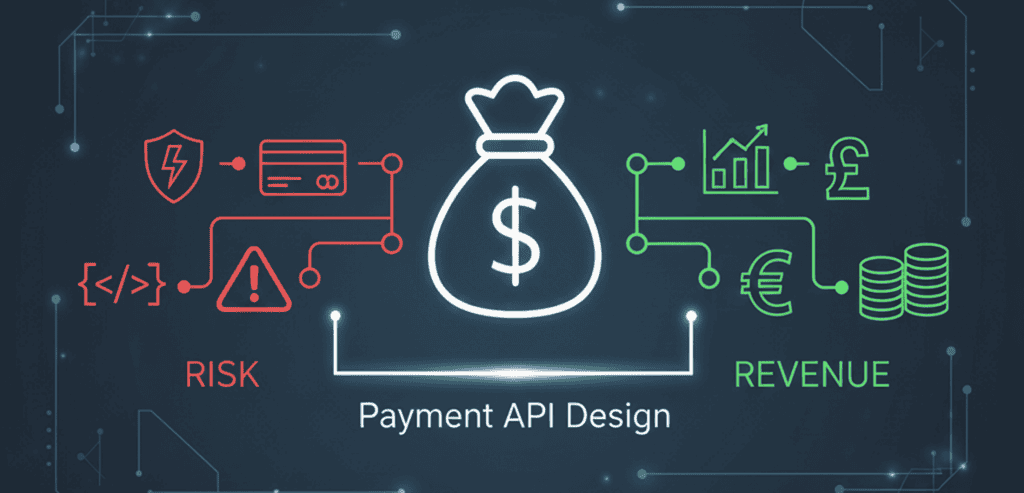
The payment API is the interface that connects the SaaS platform to the payment gateway. A well designed payment API allows seamless communication between systems, enabling automation and reducing errors. From a monetization perspective, the payment API determines how flexibly the platform can introduce new payment features or pricing models.
A robust payment API supports customization without exposing sensitive data. Tokenization and secure authentication reduce the risk of breaches while allowing platforms to control the payment experience. Automation through the payment API also minimizes manual intervention, which lowers the risk of human error. By investing in a reliable and flexible payment API, SaaS platforms can expand payment monetization options while maintaining strong security standards.
Embedding Payments Without Disrupting the Core Product
One of the biggest risks in monetizing payments is distracting from the core SaaS offering. Payments should enhance the product, not complicate it. Successful platforms embed payments so naturally that users view them as an integral feature rather than an add on. This requires thoughtful UX design and clear communication.
Integrated payments allow SaaS platforms to present billing, invoicing, and payment acceptance within familiar workflows. Users do not need to learn new systems or manage separate accounts. This simplicity reduces support requests and increases adoption. When payments feel like a natural extension of the product, monetization becomes less intrusive and more sustainable.
Managing Compliance and Security Without Added Burden
Compliance and security are often cited as reasons SaaS platforms hesitate to monetize payments. Regulations, data protection requirements, and industry standards can appear complex and intimidating. However, with the right infrastructure, these responsibilities can be managed centrally without burdening individual users.
A reliable payment gateway and payment API handle much of the compliance workload through built in controls such as encryption and tokenization. Integrated payments allow platforms to standardize security practices across all users. This reduces variability and lowers overall risk. By choosing partners that prioritize compliance, SaaS platforms can monetize payments confidently while protecting their reputation and users.
Monetizing Payments Through Value Added Services
Direct transaction fees are only one way to monetize payments. Many SaaS platforms generate revenue by offering value added payment services. These can include advanced reporting, faster settlement options, or premium support for payment related issues. Such services create differentiation and allow platforms to charge for convenience rather than basic functionality.
Value added services align well with integrated payments because they leverage existing transaction data. Platforms can offer insights that help users manage cash flow or optimize operations. By focusing on services that solve real problems, SaaS platforms can monetize payments without appearing exploitative. This approach builds trust and encourages long term adoption.
Supporting Diverse Use Cases With POS Systems
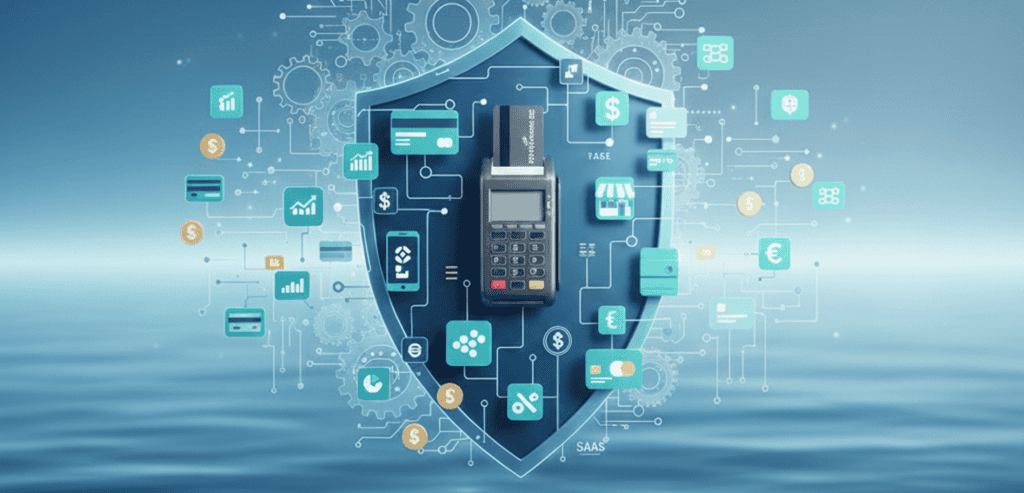
While many SaaS platforms operate entirely online, some serve businesses with physical locations or hybrid models. In these cases, POS systems become part of the payment monetization strategy. Supporting POS systems allows platforms to extend payment capabilities beyond digital channels.
Modern POS systems can integrate with SaaS platforms through payment APIs, ensuring consistent data flow. This integration allows platforms to monetize in person transactions alongside online payments. Supporting popular options such as Clover POS and Genius POS helps SaaS platforms meet diverse customer needs while maintaining control over the payment experience. The key is ensuring that POS systems align with the same security and reporting standards as digital payments.
Using Clover POS to Expand Payment Monetization Opportunities
Clover POS is commonly used by small and medium sized businesses, making it a relevant option for many SaaS platforms. When integrated properly, Clover POS can extend the platform’s payment capabilities into physical environments without fragmenting data. This allows SaaS platforms to monetize payments across multiple channels.
Integration with Clover POS should be handled through a secure payment gateway and payment API to ensure consistency. Transactions processed through Clover POS should flow into the same reporting and reconciliation systems as online payments. This unified approach reduces risk and improves visibility. By supporting Clover POS, SaaS platforms can serve a broader audience while maintaining a cohesive payment strategy.
Leveraging Genius POS for Advanced Integration Scenarios
Genius POS is designed for environments that require deeper integration and customization. For SaaS platforms serving complex business models, Genius POS offers flexibility and scalability. Its integration capabilities allow detailed transaction data to flow seamlessly into the platform’s systems.
By connecting Genius POS through integrated payments infrastructure, SaaS platforms can offer sophisticated payment features without compromising control. Payment API connections enable real time updates and consistent reporting. Genius POS is particularly useful for platforms that need to support high transaction volumes or complex pricing structures. When used strategically, it enhances monetization potential while maintaining operational stability.
Minimizing Financial Risk Through Controlled Pricing Models
Monetizing payments introduces financial considerations such as fee structures and revenue sharing. Poorly designed pricing models can create risk by encouraging misuse or alienating users. SaaS platforms should adopt transparent and predictable pricing that aligns with user value.
Integrated payments allow platforms to embed pricing logic directly into the product. This reduces ambiguity and ensures consistency. Platforms can choose models such as flat fees, tiered pricing, or bundled services based on user needs. Clear pricing reduces disputes and chargebacks, lowering financial risk while supporting steady revenue growth.
Reducing Fraud and Chargebacks Through Centralized Oversight
Fraud and chargebacks are among the biggest risks in payment monetization. SaaS platforms that leave payment management entirely to users may face indirect consequences when issues arise. Integrated payments allow platforms to implement centralized fraud monitoring and risk controls.
By working closely with a payment gateway that offers advanced fraud detection, platforms can identify suspicious activity early. Payment API driven automation enables consistent application of risk rules across all transactions. This centralized oversight reduces exposure and protects both the platform and its users. Effective risk management is essential for monetizing payments without jeopardizing trust.
Scaling Payment Monetization as the Platform Grows
As SaaS platforms grow, transaction volume and complexity increase. Payment monetization strategies must scale without introducing inefficiencies. Integrated payments and automation through payment APIs support this scalability by handling higher volumes without additional manual effort.
Scalability also depends on the flexibility of the payment gateway and POS systems. Platforms must ensure that their infrastructure can support new markets, payment methods, and regulatory requirements. By building on adaptable technology, SaaS platforms can expand payment monetization alongside user growth while maintaining stability and control.
Aligning Payment Strategy With Long Term Platform Goals
Payment monetization should support the platform’s long term vision rather than operate as a standalone initiative. Decisions about integrated payments, payment gateways, and POS systems should align with product strategy and customer needs. When payments are treated as a core capability, they reinforce the platform’s value proposition.
Alignment also involves ongoing evaluation. Platforms should regularly review payment performance, user feedback, and risk metrics. This ensures that monetization strategies remain effective and relevant. A thoughtful approach allows SaaS platforms to adapt to changing market conditions while maintaining a strong foundation.
Conclusion
Monetizing payments offers SaaS platforms a powerful opportunity to generate revenue, improve retention, and strengthen customer relationships. When approached thoughtfully, it does not have to introduce extra risk. Integrated payments provide the foundation for safe and scalable monetization by centralizing control and simplifying workflows. A reliable payment gateway and flexible payment API enable automation, security, and customization without compromising stability.
By supporting appropriate POS systems such as Clover POS and Genius POS where relevant, SaaS platforms can extend monetization across channels while maintaining consistency. The key is prioritizing value, transparency, and risk management at every stage. With the right strategy and infrastructure, payment monetization becomes a natural extension of the SaaS product rather than a source of complexity.